University of Virginia sneakers
The University of Virginia sneakers are a pair of athletic shoes that Biff Loman, as a high school football star, had printed with the name of the university he hoped to attend. They appear in the play as a concrete emblem of the future that seemed assured for Biff—a future built on athletic glory, personal popularity, and the promise of a college education that would launch him into the business world. The sneakers first appear in Act One, when Biff, then a teenager, proudly shows them to his father, Willy Loman, who admires the printing job and dismisses the concerns of Bernard, the neighbor boy, who warns that Biff is at risk of flunking math and not graduating. Willy's response—"Just because he printed University of Virginia on his sneakers doesn't mean they've got to graduate him, Uncle Willy!"—underscores the gap between the family's inflated expectations and the academic reality Biff faces.
The Sneakers as a Symbol of Shattered Dreams
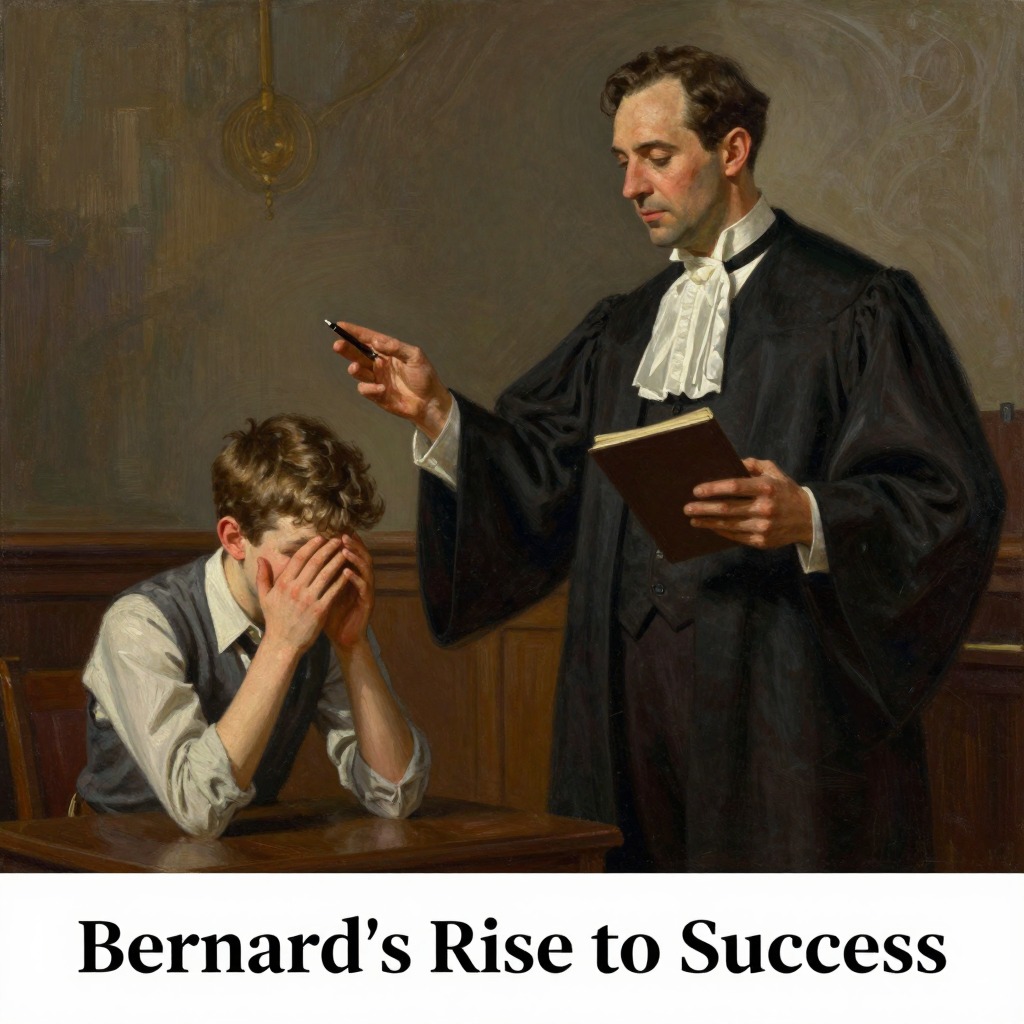
The sneakers take on their full symbolic weight in Act Two, when Bernard, now a successful lawyer preparing to argue a case before the Supreme Court, recalls the aftermath of Biff's failed math exam. Bernard tells Willy that after Biff returned from a trip to Boston—where he had gone to seek his father's help—he took the sneakers down to the cellar and burned them in the furnace. The act of destruction was so violent that Bernard and Biff had a fist fight that lasted at least half an hour, "punching each other down the cellar, and crying right through it." Bernard, who had loved Biff, remembers that he knew then that Biff "had given up his life." The burning of the sneakers marks the precise moment when Biff's ambition to attend the University of Virginia—and, by extension, his faith in the American Dream his father had sold him—was extinguished.
The Boston Discovery and Its Aftermath
The destruction of the sneakers is directly linked to Biff's discovery of Willy's affair with The Woman in a Boston hotel room. When Biff arrived at the Standish Arms, he found his father with a woman who was wearing silk stockings—stockings Willy had given her, the same kind Linda Loman was forced to mend at home. The confrontation shattered Biff's idealized image of his father, whom he had called a "fake" and a "phony little fake." The sneakers, which had represented Biff's ticket to a future built on his father's values of popularity and success, became unbearable reminders of that betrayal. By burning them, Biff was not only rejecting the University of Virginia but also the entire system of belief that had led him to that moment of disillusionment.
The Sneakers as a Recurring Motif
The sneakers reappear in the play's final confrontation between Biff and Willy, when Biff, now thirty-four and having failed at every business venture, forces his father to confront the truth. Biff declares that he is "a dime a dozen" and that Willy is nothing more than "a hard-working drummer who landed in the ash can like all the rest of them." The sneakers, though not physically present, haunt this scene as the ghost of a promise that was never fulfilled. Biff's final act of liberation—admitting that he stole a fountain pen from Bill Oliver's office and that he has been in jail for stealing a suit in Kansas City—completes the arc that began with the burning of the sneakers. He is finally able to say, "I know who I am, kid," a statement that would have been impossible for the boy who once wore those sneakers.
Thematic Significance
The University of Virginia sneakers function as a narrative prosthesis, a material object that carries the weight of Biff's lost potential and the family's collective delusion. They are a concrete instance of the gap between the American Dream as preached by Willy Loman and the reality of his sons' lives. The sneakers are also a marker of class and aspiration: the University of Virginia represents an elite education that Biff, the son of a salesman, could only reach through athletic achievement. When that path is blocked by his own academic failure and his father's moral failure, the sneakers become a symbol of everything that was wrong with the dream. In the end, Biff's rejection of the sneakers—and everything they stood for—is the first step toward his own, more authentic identity.